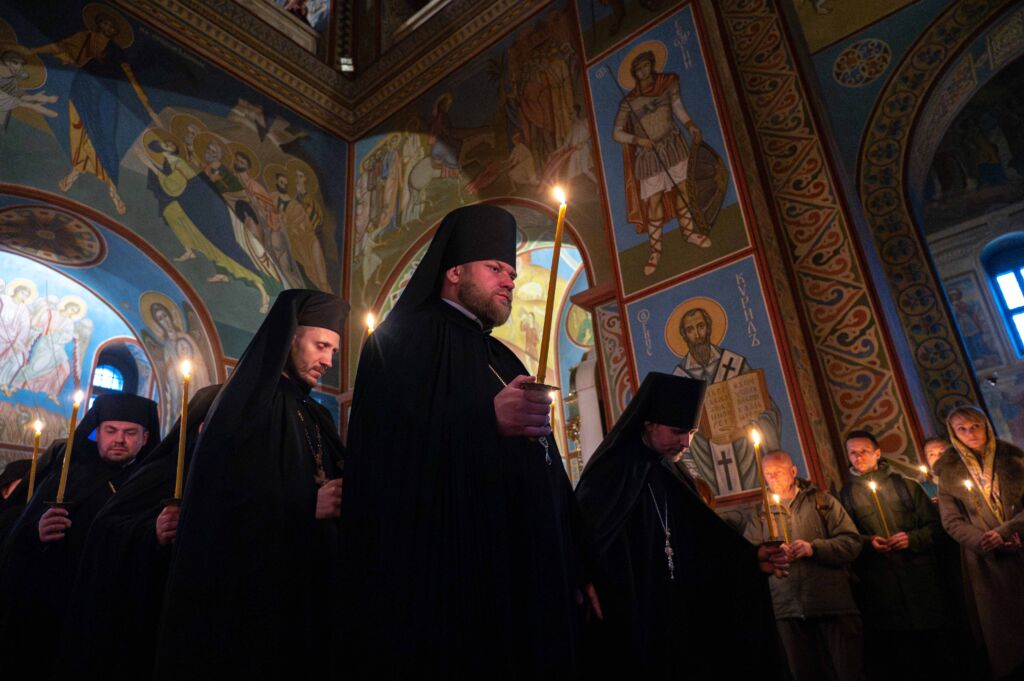
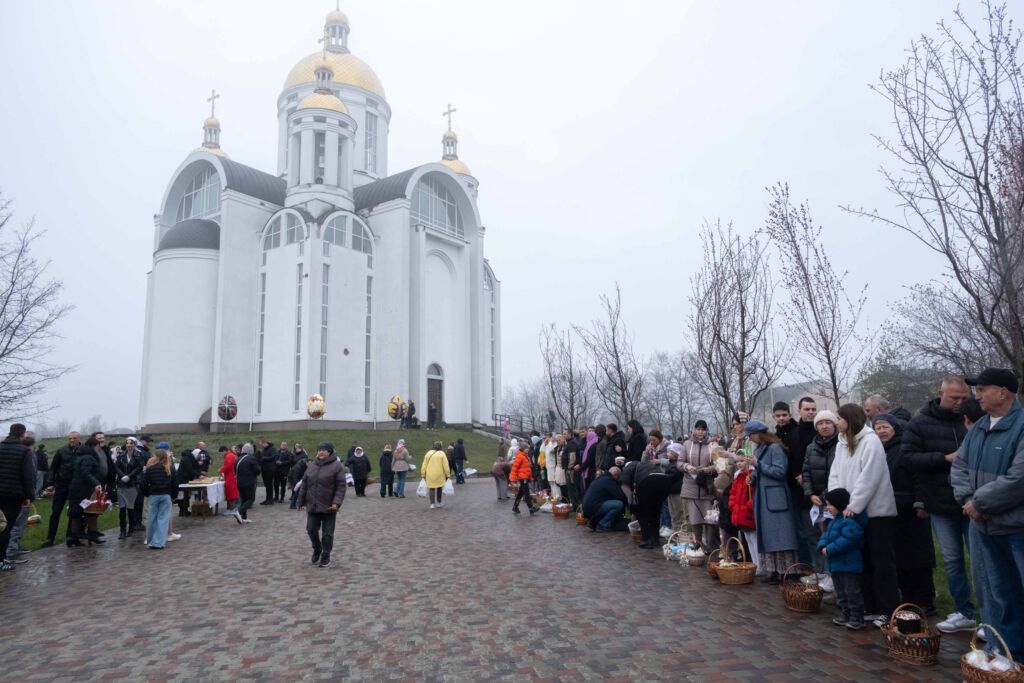
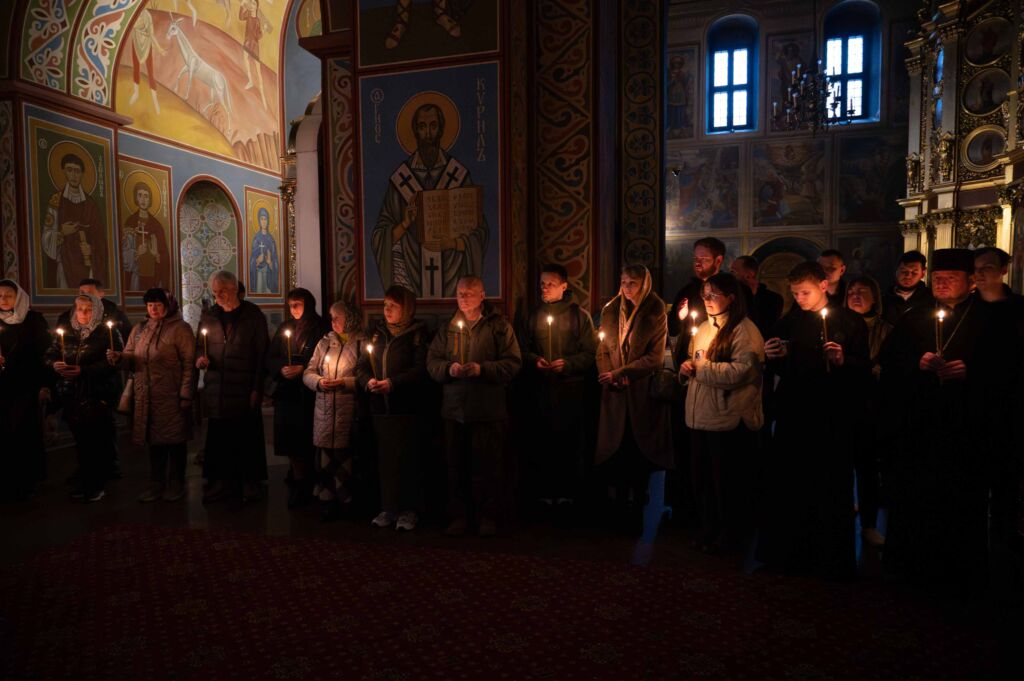
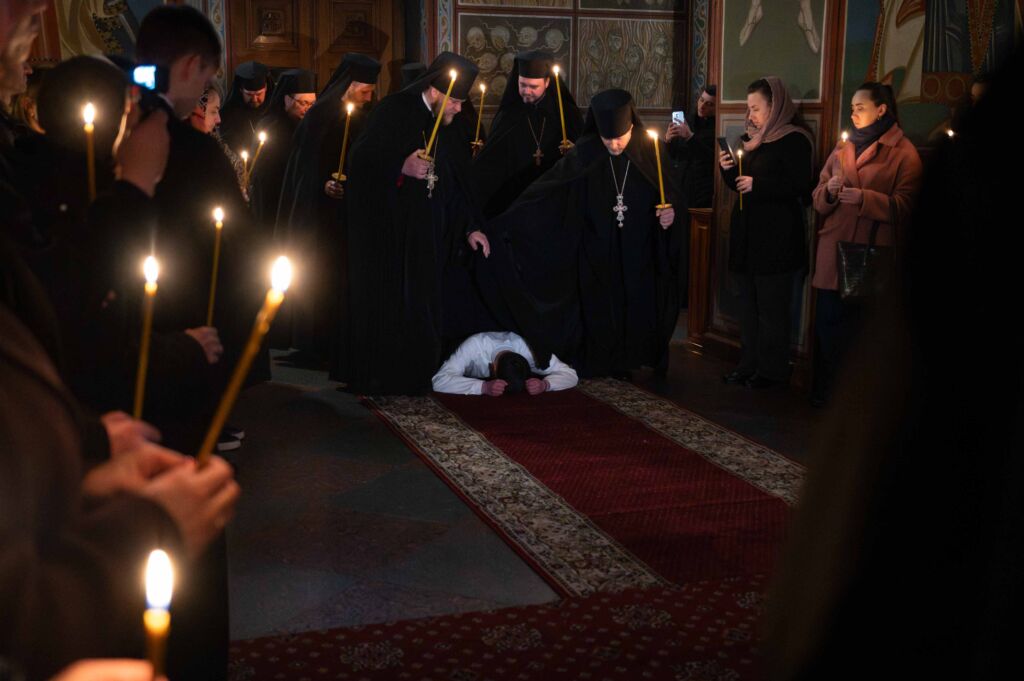
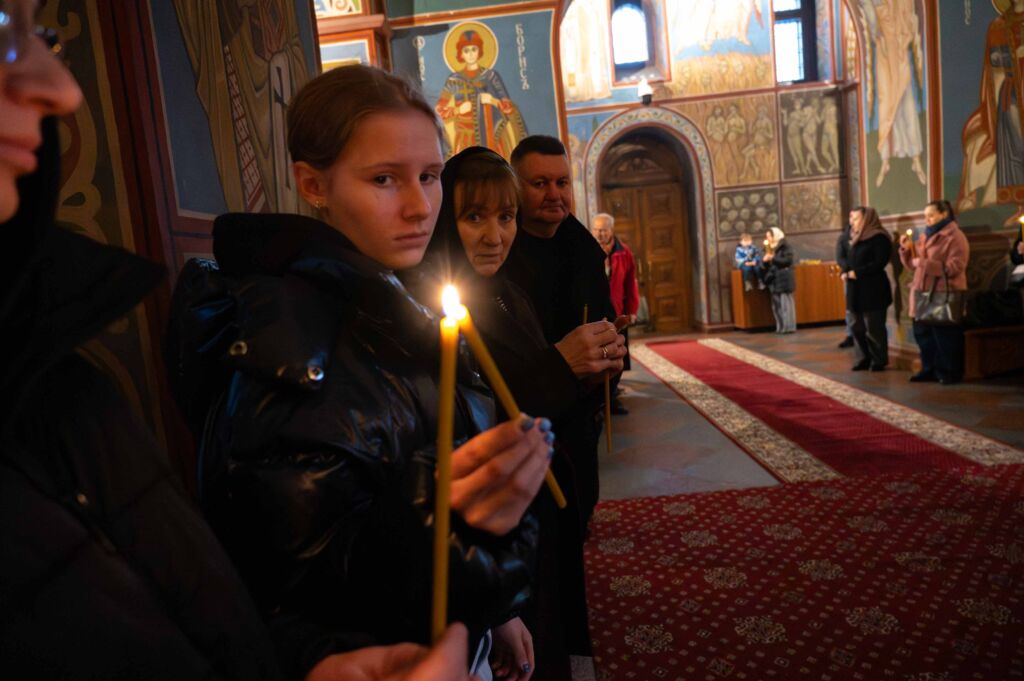
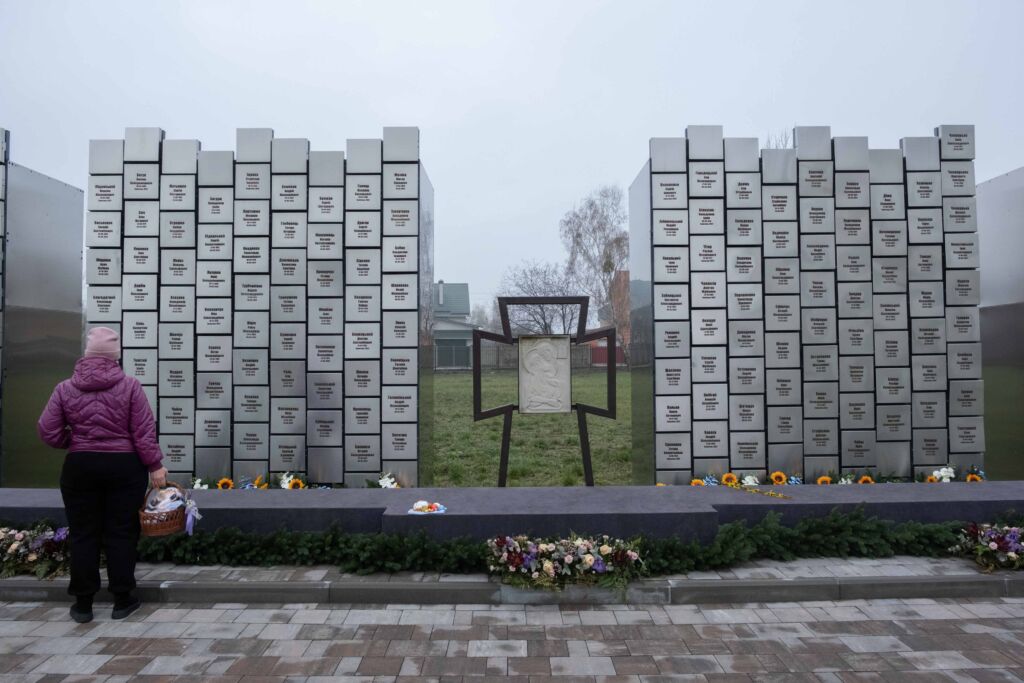
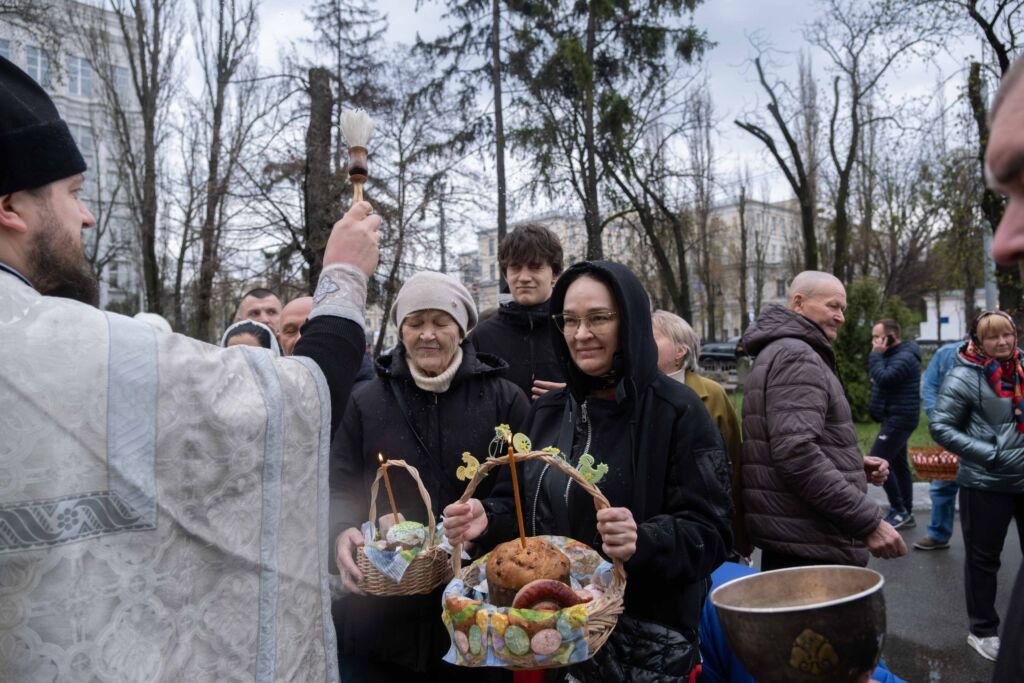
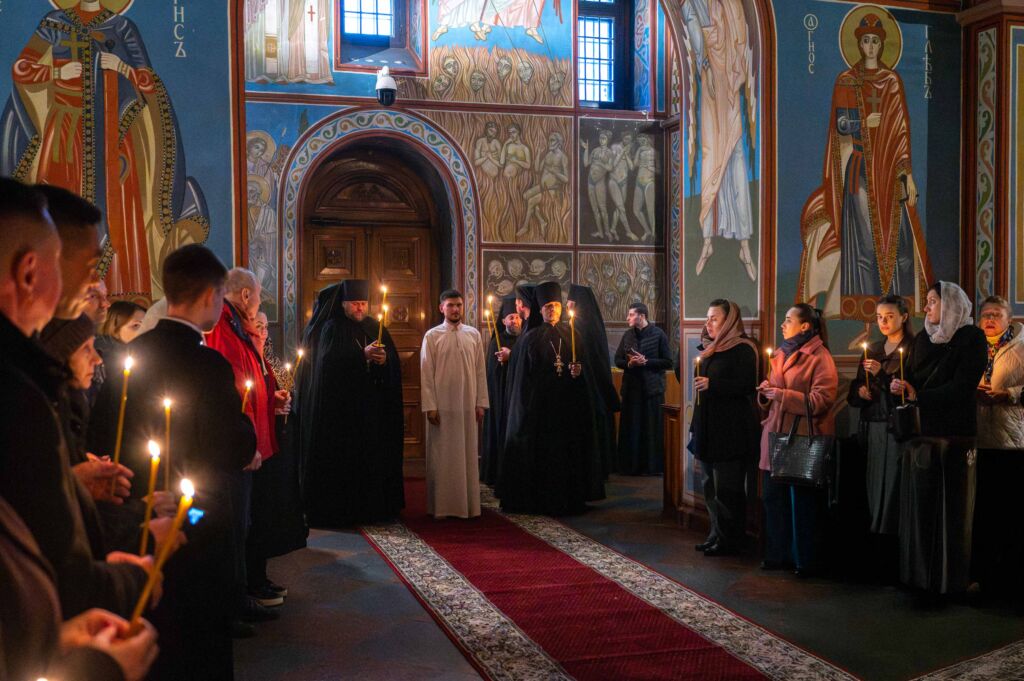
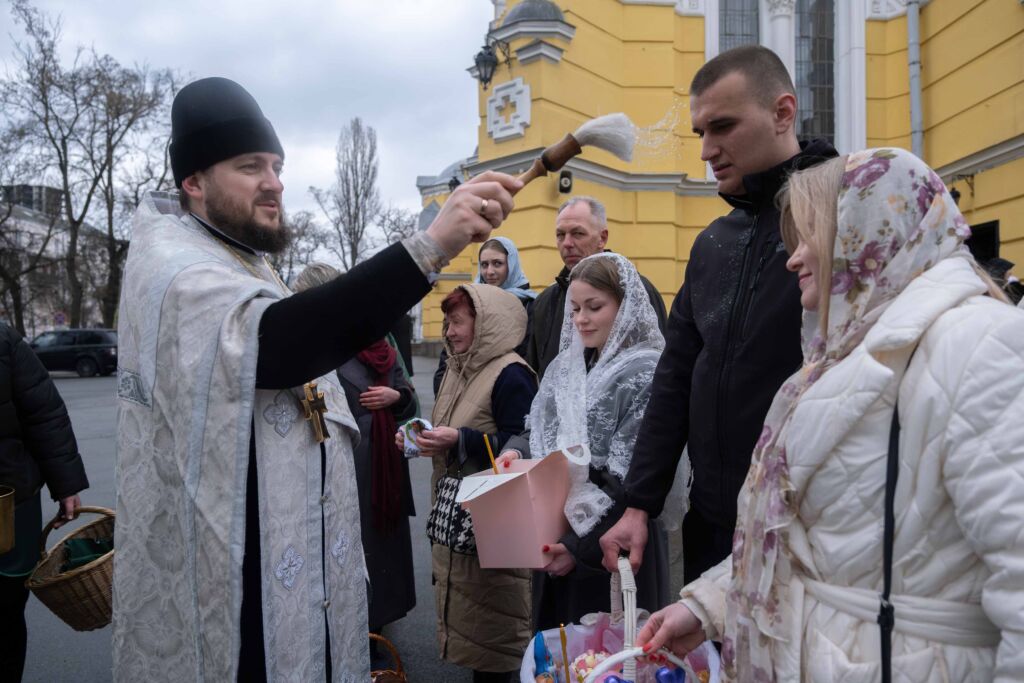
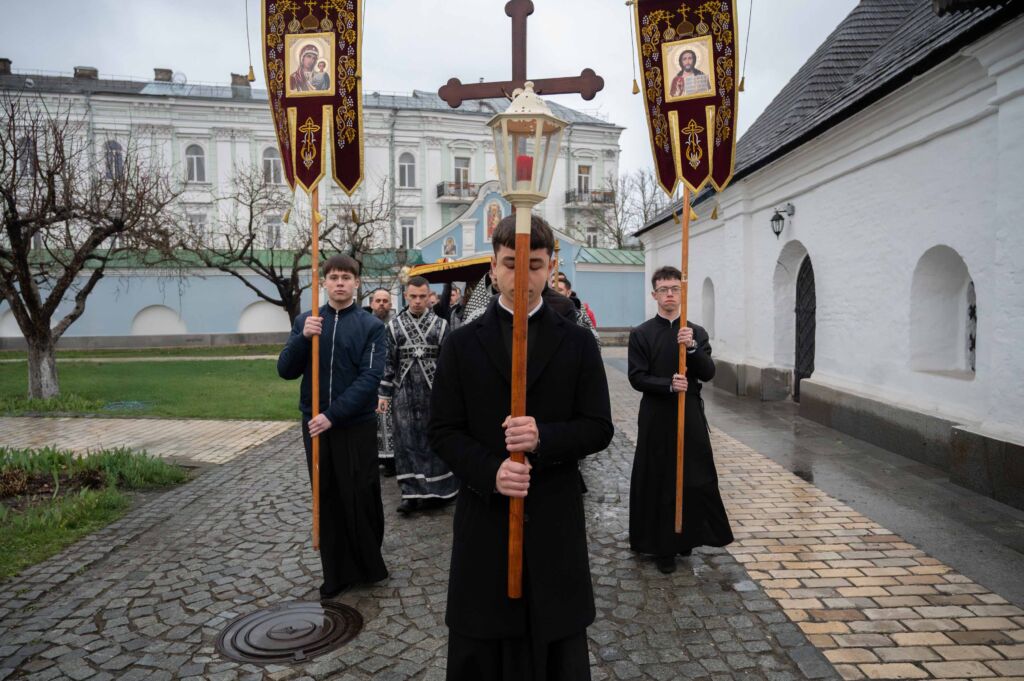
In Kiev, Holy Week is not only a journey towards the Resurrection. In a city that has lived for years under the shadow of war, faith transcends the boundaries of the religious tradition of Easter and becomes a support to withstand the difficulties of everyday life, keeping tradition alive and giving hope for a better future. In a constant struggle for the daily lives of the residents since the Russian invasion began, people turn to faith not only out of habit, but out of necessity in a world that is changing violently around them. And perhaps for this reason the light of the Resurrection acquires a deeper meaning.
period : 2026
Kyiv Ukraine
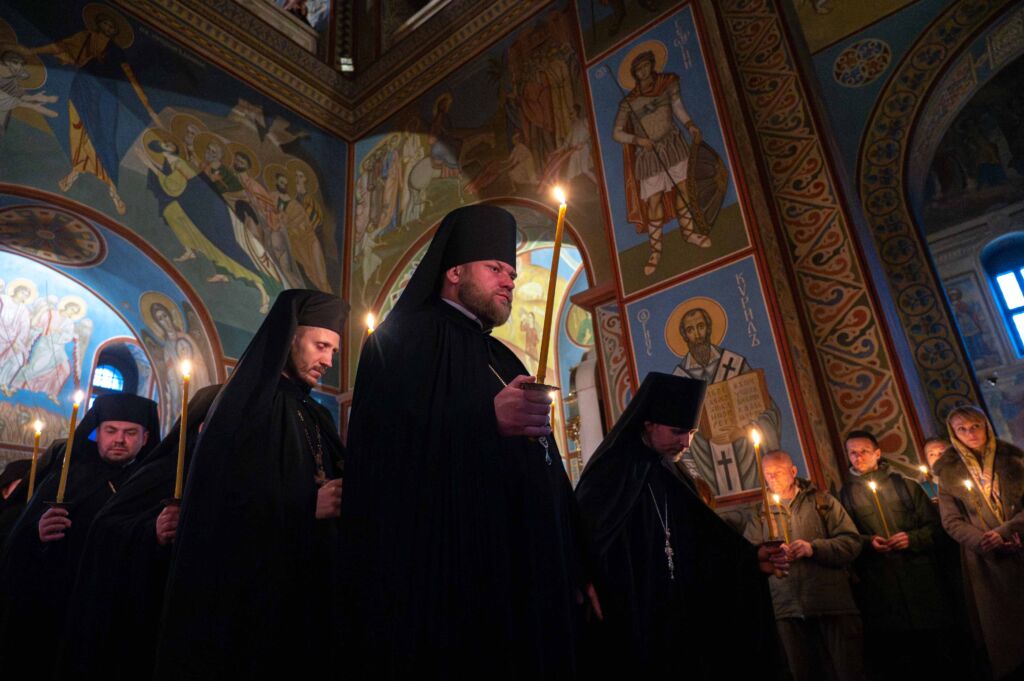
From Palm Sunday to Easter Sunday, the city’s churches are filled with Orthodox Christians of all ages, children, the elderly, families, and groups who insist on being together, coming to attend the Holy Week services held in the center of Kiev in Orthodox churches. Orthodox churches do not function only as places of worship. They are places of historical continuity and collective memory.
At the center of the celebrations are two of the most important religious and historical sites in the city: St. Vladimir’s Cathedral, founded in 1862 and one of the most important sacred monuments in Kiev, and the Golden-Domed Monastery of St. Michael, built in the 12th century. St. Michael’s Monastery in particular carries a burden that goes beyond religion. During the Maidan uprising, it served as a refuge for protesters persecuted by the repressive forces, a moment that strengthened its symbolic role in the country’s modern history, as a place of collective memory and protection.